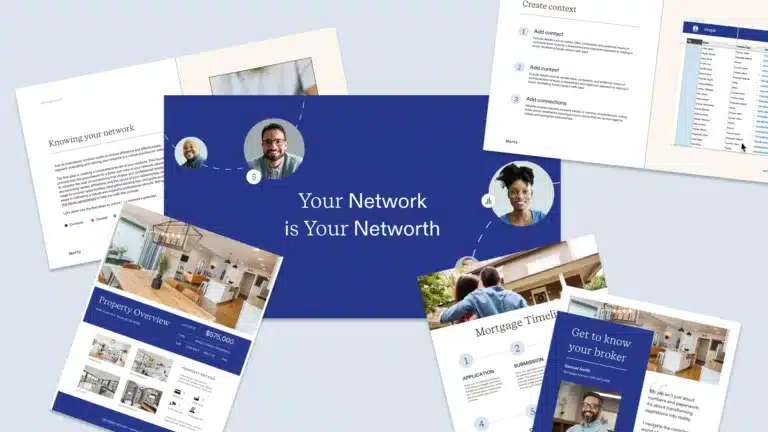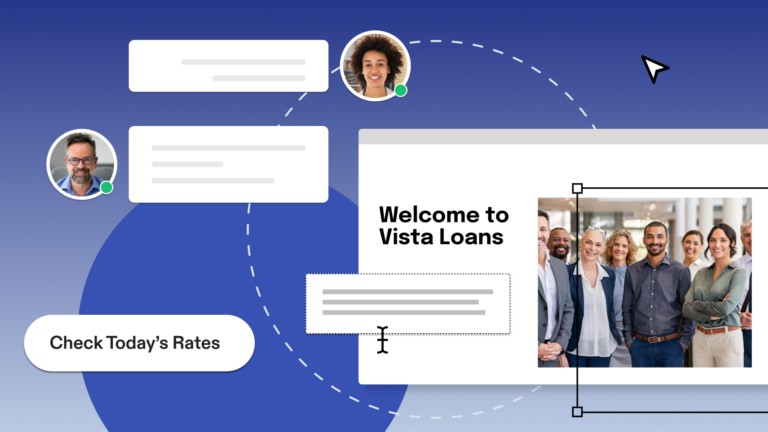


Marketing has become a bigger part of being a successful mortgage loan originator.
Borrowers increasingly discover and evaluate loan officers online before they ever start a conversation. They may search your name, visit your website, read reviews, look at your social profiles, compare lenders or spend weeks consuming mortgage information before they’re ready to apply.
That means MLO marketing isn’t simply about generating leads. It’s about building a professional presence that helps borrowers and referral partners understand who you are, what you do and why they should work with you.
The most effective approach combines your website, personal brand, search presence, content, social media, referral network and follow-up into a connected marketing system.
Here’s how to build one.
What is MLO marketing?
MLO marketing is the combination of strategies and tools mortgage loan originators use to build their brand, reach prospective borrowers and referral partners, and turn attention into business.
It can include:
- A professional loan officer website
- Personal branding
- Search engine optimization and local search
- Educational mortgage content
- Social media
- Reviews and testimonials
- Realtor and referral-partner marketing
- Email and follow-up
- Paid advertising
- Mortgage calculators and other borrower tools
- Lead capture and conversion
- Marketing analytics
You don’t need to do all of these things at once.
The goal is to create a few strong, connected channels that continue working even when you’re busy originating loans.
1. Start with your personal brand
Before deciding what to post or where to advertise, establish what borrowers should remember about you.
Your brand isn’t just a logo. It’s the combination of your expertise, positioning, personality and visual identity.
That includes your colors and typography, but also the way you explain mortgages, the borrowers you tend to work with, the markets you know and the experience people have when interacting with you.
Consistency matters. Someone who discovers you on Instagram and later visits your website shouldn’t feel like they’ve encountered two different businesses.
For loan officers operating under a larger company brand, your personal brand can complement your employer’s brand rather than compete with it. Always follow your company’s branding, compliance and advertising requirements.
2. Build a website you actually own
A company profile page is useful, but your own loan officer website gives you considerably more control over your online presence.
It becomes the central destination for your marketing.
A strong mortgage website can explain who you are, introduce the loan programs you work with, showcase reviews, answer borrower questions, provide mortgage calculators and create clear paths for someone to contact you or start an application.
It also gives referral partners somewhere useful to send prospective borrowers.
The website itself doesn’t need to be complicated. It needs to look professional, work well on mobile and make the next step obvious.
For loan officers who don’t want to build one from scratch, MLO Studio’s loan officer websites provide mortgage-specific designs that can be personalized around an individual loan officer’s brand and business.
3. Make search part of your marketing strategy
Search can be particularly valuable for mortgage professionals because borrowers often search when they have a specific question or need.
Someone might search for:
“mortgage broker near me”
“first-time homebuyer loan officer”
“DSCR loans in New Jersey”
“how much house can I afford?”
Or they may simply Google your name after receiving a referral.
Your website should make it easy for search engines—and prospective borrowers—to understand who you are, where you work and what you specialize in.
Local visibility matters too. A complete Google Business Profile, accurate business information and legitimate customer reviews can help establish your presence when people search for mortgage professionals in their area.
SEO isn’t about repeating keywords throughout a website. It’s about creating useful pages and information that match the questions people actually search for.
4. Create content from questions borrowers already ask
Loan officers have a major content advantage: you answer mortgage questions every day.
Those questions can become your marketing.
Think about what borrowers repeatedly ask you:
How much do I need for a down payment?
Should I get pre-approved before looking at homes?
What affects my mortgage rate?
What’s the difference between pre-qualification and pre-approval?
How does a refinance work?
What is a DSCR loan?
Each question can become an article, short video, social post, email or FAQ.
This works better than constantly trying to invent clever marketing ideas because the subject matter comes directly from real borrower needs.
Over time, a library of useful mortgage content also gives prospective clients more ways to discover you and more reasons to trust your expertise.
5. Use social media to stay visible
Social media doesn’t need to turn a loan officer into an influencer.
Its most useful role is often simpler: staying visible.
A borrower might follow you for months before needing a mortgage. A real estate agent might repeatedly see your content before deciding to send you a referral.
Useful social content can include mortgage education, answers to common questions, short videos, local market observations, explanations of loan programs, client milestones and behind-the-scenes glimpses of your work.
Consistency generally matters more than posting constantly.
AI and marketing tools can also make it easier to turn one useful idea into multiple pieces of content instead of creating every post from scratch.
6. Build a referral marketing system
Digital marketing hasn’t replaced relationships in mortgage. It can make those relationships easier to build and maintain.
Real estate agents, attorneys, financial professionals, past clients and other local professionals can all become valuable sources of introductions.
The key is to give people a reason to remember you.
That might mean sharing useful educational resources, collaborating on homebuyer content, following up consistently or simply being exceptionally useful when someone sends a borrower your way.
Your digital presence supports this too.
When someone recommends you, the borrower will often look you up. A strong website, useful content and positive reviews can reinforce the trust created by the referral.
7. Don’t forget your past clients
One of the most overlooked audiences in mortgage marketing is the group of people who already know you.
Homeowners continue to have mortgage questions after closing. They may eventually refinance, purchase another property, buy an investment property or refer a friend.
Staying in touch doesn’t require sending constant sales messages.
Useful market information, homeownership education, occasional personal updates and relevant mortgage information can keep the relationship alive without making every interaction feel transactional.
A good marketing system should help you remain visible to past clients as well as attract new ones.
8. Give borrowers useful tools
Some of the best mortgage marketing doesn’t feel like marketing at all.
Mortgage calculators are a good example.
A prospective borrower may not be ready to speak with a loan officer, but they may be ready to estimate a monthly payment, explore affordability or understand whether refinancing could make sense.
Useful tools give people a reason to interact with your website before they’re ready to apply.
They can also create natural opportunities for a borrower to move from researching independently to starting a conversation.
That’s why tools such as mortgage payment, affordability and refinance calculators can be valuable components of a loan officer website.
9. Use AI to make marketing easier—not generic
AI can dramatically reduce the amount of time required to maintain a marketing presence.
Loan officers can use AI to brainstorm topics, draft educational content, repurpose articles into social posts, improve website copy, create email ideas and organize marketing campaigns.
The mistake is using AI to publish large quantities of generic mortgage content.
Your experience is the valuable part.
A better workflow is to start with your expertise—a borrower question, market observation, loan scenario or explanation you regularly give—and use AI to help turn that knowledge into useful marketing material.
AI should make your expertise easier to distribute, not replace it.
10. Consider paid advertising once the foundation works
Paid advertising can accelerate mortgage marketing, but it shouldn’t compensate for a weak foundation.
Before spending heavily on traffic, make sure prospective borrowers have somewhere compelling to land.
That generally means having a professional website or landing page, clear positioning, useful information and a straightforward conversion path.
Depending on your strategy, paid marketing might include search advertising, social advertising, retargeting or campaigns built around a particular market or borrower need.
The important metric isn’t simply clicks.
Ultimately, you want to understand which campaigns produce meaningful borrower conversations and closed business.
11. Measure what is actually working
Mortgage marketing becomes much easier to improve when you know where attention and inquiries are coming from.
At a minimum, understand:
- Which pages people visit
- How people discover your website
- Which content gets engagement
- Which marketing channels generate inquiries
- Which referral sources produce business
- Which campaigns generate actual opportunities
You don’t need an elaborate analytics operation.
You need enough information to distinguish between marketing that creates activity and marketing that contributes to your business.
What marketing tools does an MLO need?
The exact technology matters less than covering the core jobs your marketing needs to accomplish.
Most loan officers need some combination of a website, branding tools, content creation, social publishing, borrower tools, lead capture, follow-up and analytics.
Historically, those functions have often been spread across separate products.
A website might come from one vendor, graphics from another, social content from another and calculators from somewhere else.
Increasingly, mortgage-specific marketing platforms are bringing those capabilities together.
MLO Studio, created by Morty, is one example. It combines professional loan officer websites, customizable branding, AI-assisted content, social media tools, mortgage calculators and lead capture in a platform built specifically for mortgage professionals.
The objective isn’t to accumulate more software. It’s to make your marketing easier to maintain.
How to build an MLO marketing strategy
If you’re starting from scratch, don’t try to launch ten marketing channels simultaneously.
Start with the foundation:
First, establish your brand and website. Make sure someone who searches for you finds a professional representation of your business.
Second, make yourself discoverable. Build your local and search presence and clearly communicate the markets and borrowers you serve.
Third, create useful content. Start with the questions you’re already answering for borrowers.
Fourth, distribute it consistently. Use social media, email and your professional network to keep that expertise visible.
Fifth, create ways to engage. Give people useful tools and clear opportunities to contact you.
Finally, measure what produces real conversations. Invest more time and money in the channels that actually work.
You can expand from there.
The best MLO marketing builds on itself
The strongest mortgage marketing strategies aren’t collections of disconnected tactics.
Your website gives your content a home. Search helps people discover that content. Social media distributes it. Your personal brand makes it recognizable. Useful tools engage prospective borrowers. Reviews and referrals create trust. Follow-up keeps relationships alive.
Each piece makes the others more valuable.
That’s the real opportunity with MLO marketing: building a professional presence that continues working even when you’re focused on originating loans.
Technology can make that easier, but the loan officer’s expertise, relationships and reputation remain at the center.